




Newsletters

“Tension Engine is an adaptive music software that structurally transforms my compositions in real time, in tune with what the player is experiencing.”

Ezéchiel Sene-Boileau, founder

Musical rewards rest on tension and resolution mechanisms.

Play the game, no download required

Musical Rewards Research: creating a musical desire, then satisfying it the moment the player succeeds. Talks at Ludo 2026 and KIKK 2026. Articles in Asakan Magazine. Publication in Gamevironments Journal (forthcoming).

Push the sliders to transform the music’s structure.

Tension
Engine

Pushing Adaptive Audio Limits

“an application that will revolutionise the world of performance art and video games”

Asakan

Break with linear composition

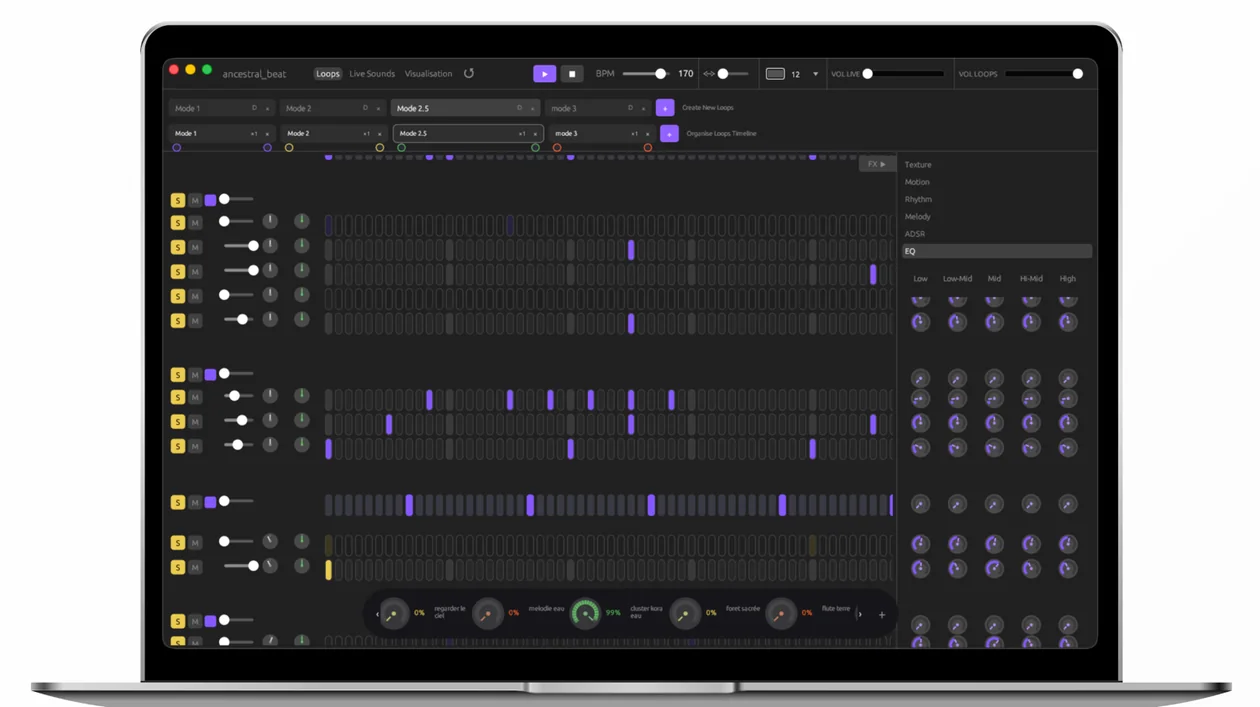
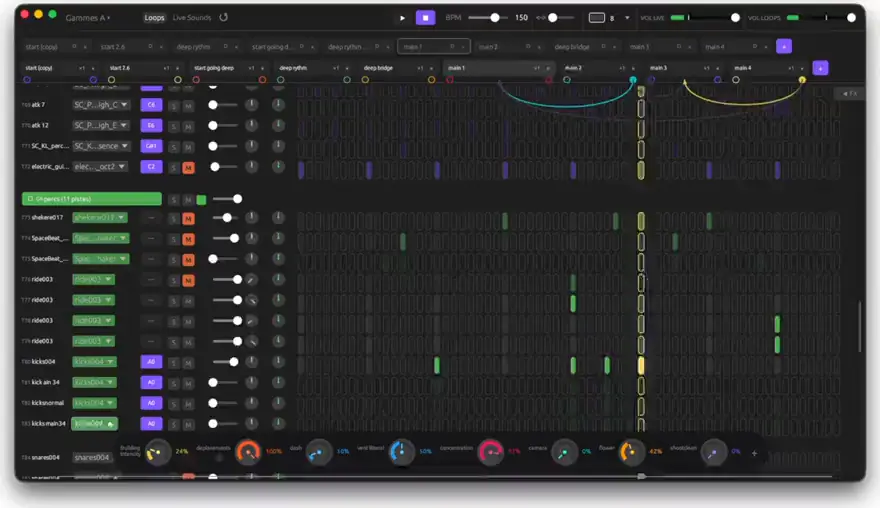
Compose music in loops, to match the logic of gameplay.

The Tension Engine editor

Every piece, its own transformations

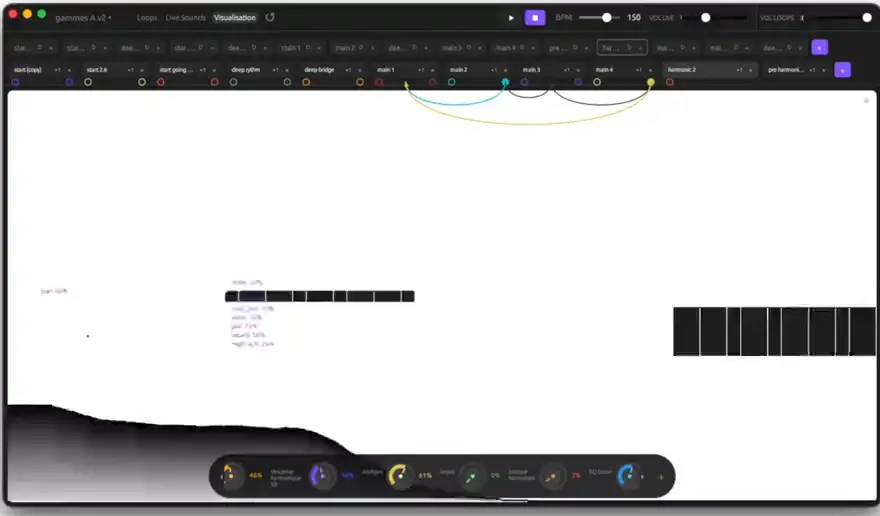
The player triggers the musical transformations you planned. Transform harmony, rhythm and sonic textures without limit.

Tie sound design to composition

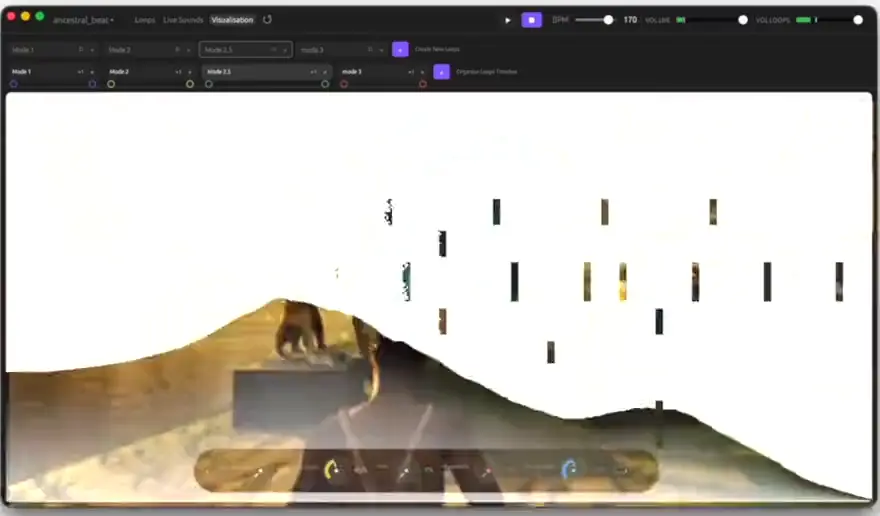
The wind rises and becomes a riser as tension builds. Birdsong turns melodic when the player is rewarded.

Let your players reimagine your music

If you wish, players reinterpret your compositions and imagine new musical transformations. Musical modding keeps your game alive long after release.

Built for your pipeline

The tool fits into the audio production chain of any studio.

  • Wwise
  • FMOD
  • Unreal Engine
  • Unity
  • Godot

Stay informed

The Tension Engine is not public yet.
Leave your name to follow its progress.

loading…

Newsletters

Occasional notes on musical rewards in games

Can music be the reward?

Can music itself be the reward? Not a sound playing on top of the coins and the XP, but a reward in its own right, one that draws you in and pays off with pleasure. Read 
Hello,

Can music itself be the reward? Not a sound playing on top of the coins and the XP, but a reward in its own right, one that draws you in and pays off with pleasure. It's the question at the heart of my article Towards a New Design of Musical Rewards in Video Games, now in press with gamevironments.

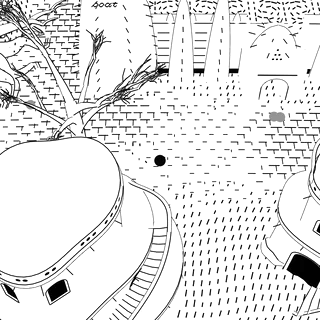
The video shows a musical tension-release mechanism. The music builds tension with every hit you land, and the drop comes the moment the last enemy falls. That release is the reward.
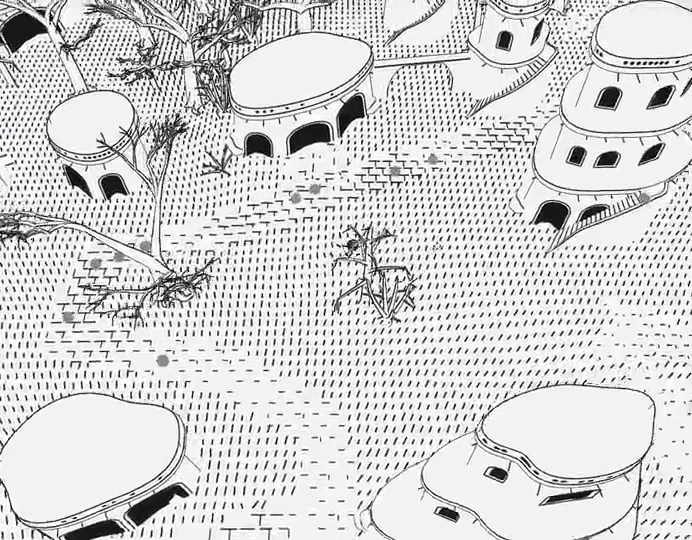
The game (not the study version)sound here →

Some of you played it. In total, 70 people took part in the study and heard about 1,500 of these tensions and releases. Two things came out clearly.

Players could tell the rewards apart: when asked which of two fights had more tension, they were right 74% of the time. And the stronger the build-up, the better the release felt. There are also early hints that the music pulls: fights got shorter as the tension grew. Rewards of different strengths are what draw the relief of a game.
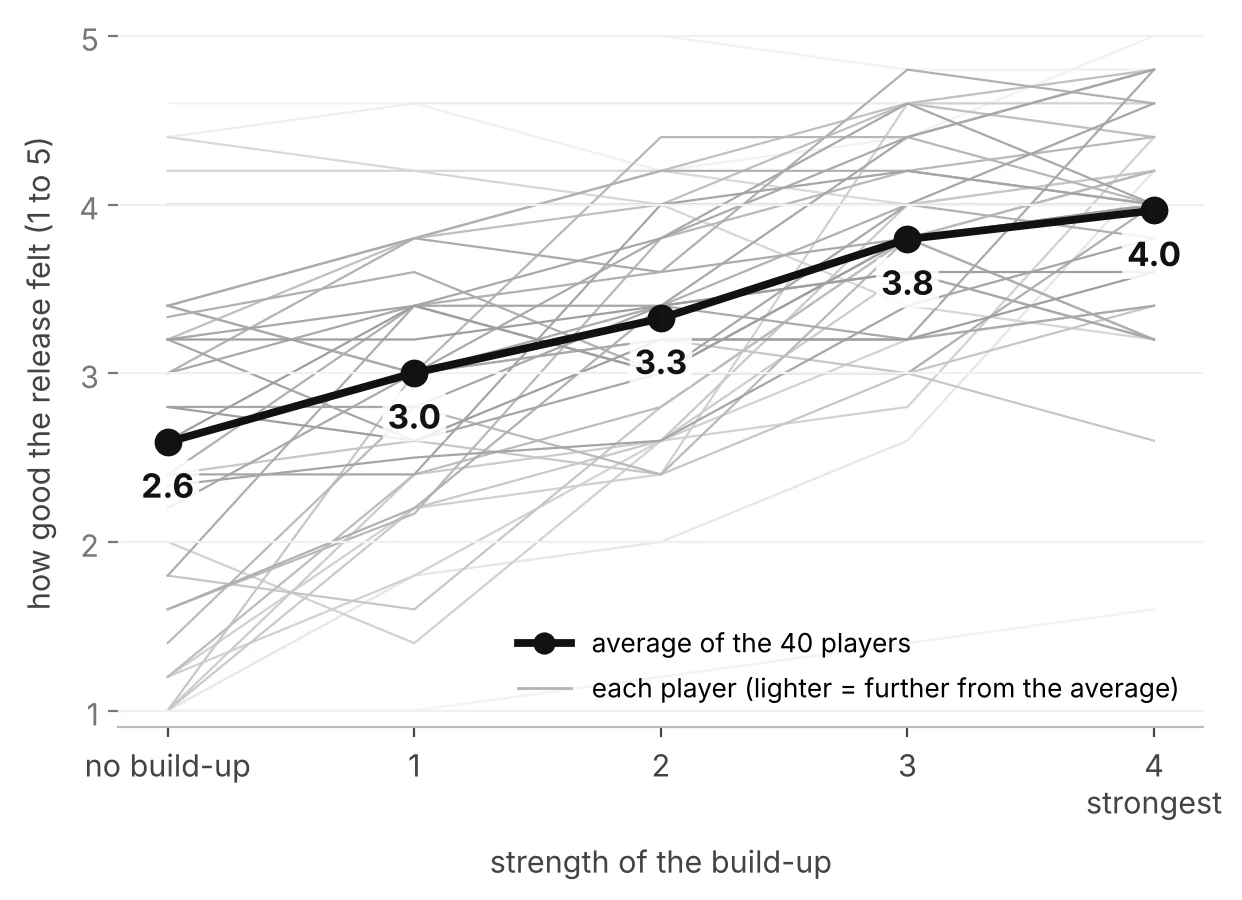
Line chart: how good the release felt rises from 2.6 out of 5 with no build-up to 4.0 with the strongest build-up.
Figure 1: The stronger the build-up, the better the release

The drop isn't the only tension-release mechanism. Music from around the world has hundreds of others, short or long, intense or gentle (the Turkish taksim, a simple harmonic cadence…), and each has its own effect: challenge, threat, triumph, calm.

Tie each of them to a different activity, and they could form a network of musical rewards, with its own relief, where players move through the game, drawn by the desire and the pleasure each of them creates. That's what I want to build next.

One thing, if you feel like it:

Play the game, and tell me how the rewards felt.

Every answer helps the next study.

Reply

Best,
Ezéchiel Sene-Boileau

How rewards draw the relief of a game

During the Ludomusicology 2026 Conference, several of you asked about those “fancy” diagrams I showed, haha. So here they are, with an actual explanation this time. Read 

Hello,

During the Ludomusicology 2026 Conference, several of you asked about those “fancy” diagrams I showed, haha. So here they are, with an actual explanation this time. With one question at the end.

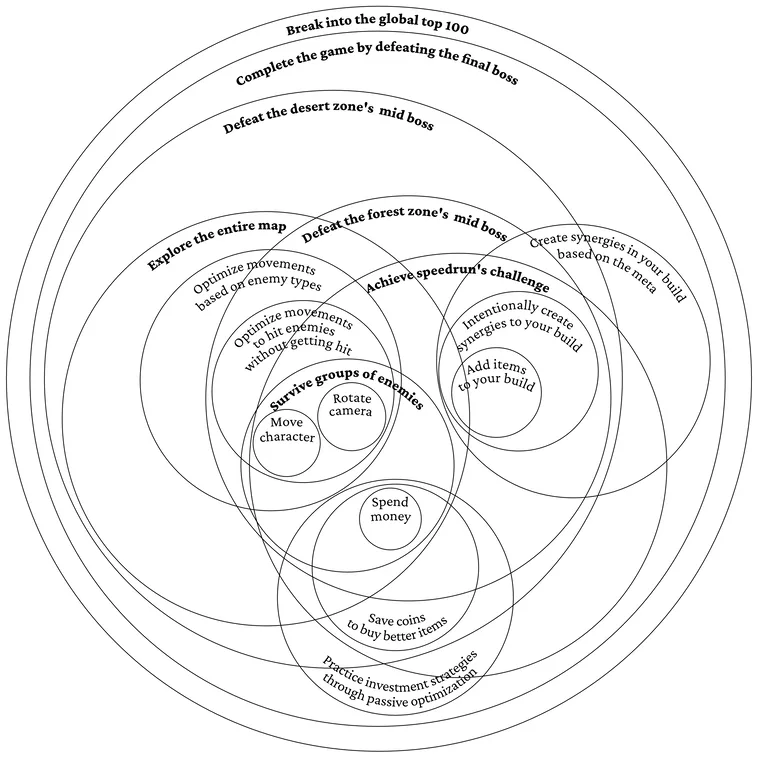
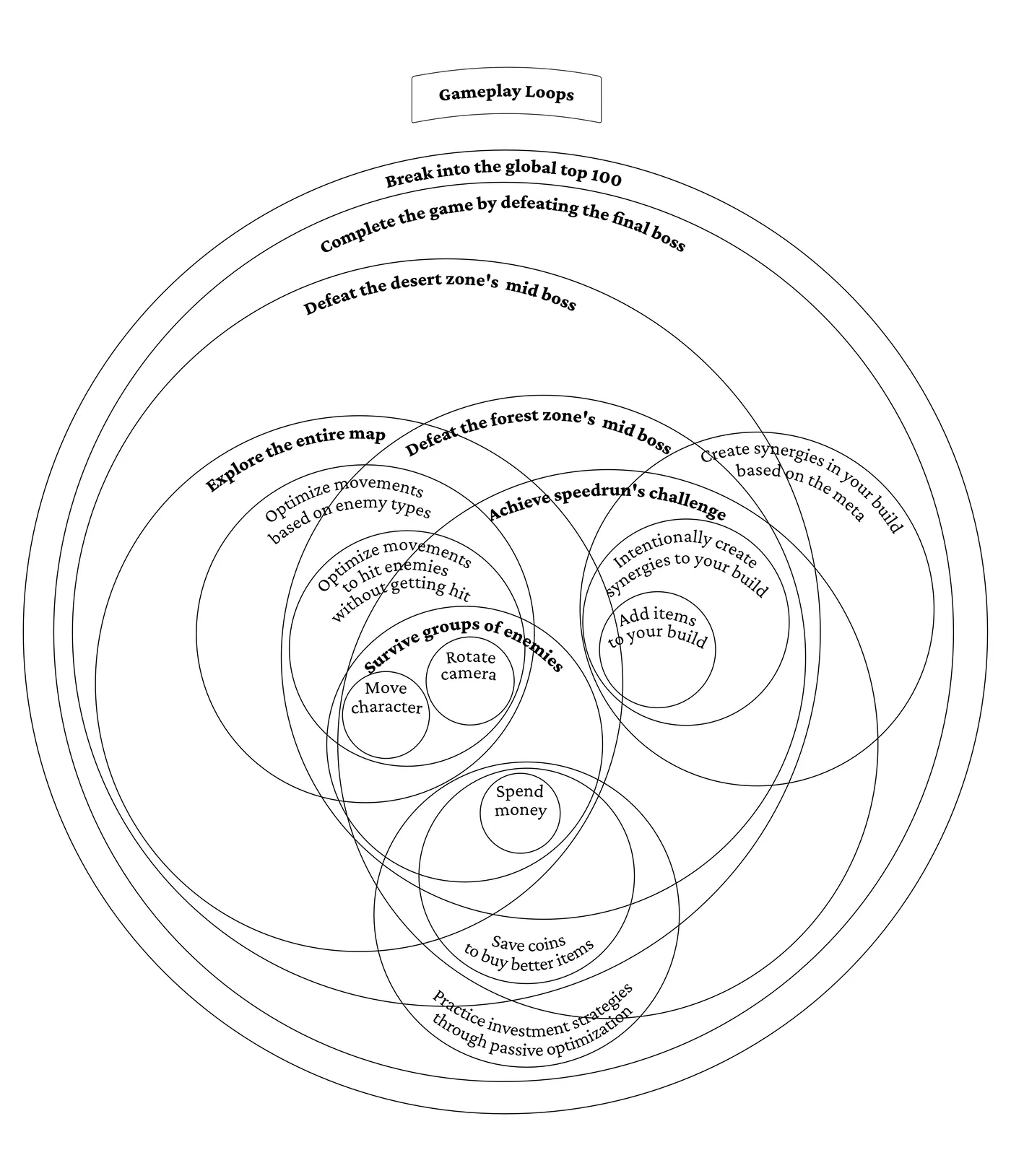
A game is built from loops, and each loop is the same three things: an objective, a challenge, a reward. The smallest ones are single actions, larger ones contain them, and you can't reach the larger before you've mastered the smaller.

Flow comes from moving outward through them. You learn a loop, it becomes automatic, and that frees you to take on a wider one. Rewards mark each of those thresholds. They tell you a loop is closed and push you to expand into the next.

Gameplay Loops: nested circles of objective, challenge, reward, from small single actions to broad goals like completing the game.
Figure 1: Gameplay Loops

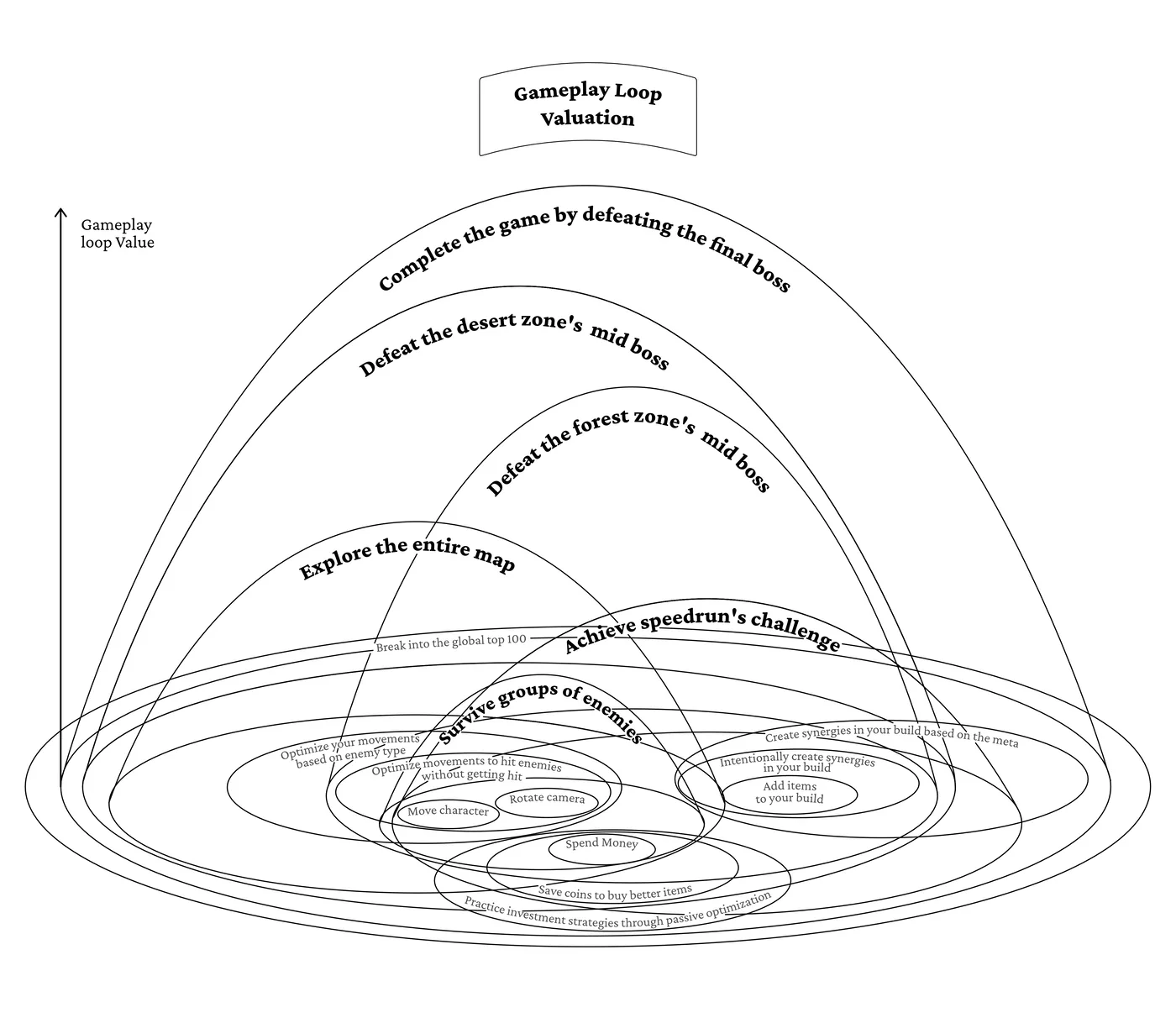
And the player values each of those loops differently. When you start a new game, you don't know what matters yet. You try things. Rewards are what teach you what an action is worth.

So a landscape appears. Actions rise or fall depending on how much they pay. That's what gives a game its relief, and its substance. A player is never really lost in an open world, because the reward structure has already drawn the terrain.

Gameplay Loop Valuation: the same nested loops raised to different heights, showing how rewards give each loop a different value.
Figure 2: Gameplay Loop Valuation

Which brings me to what I actually work on. If rewards shape that whole network, then musical rewards have to be designed to work at that level too, not as something that plays on top of the reward, but as something that can follow and articulate this structure itself. That's what I'm building.

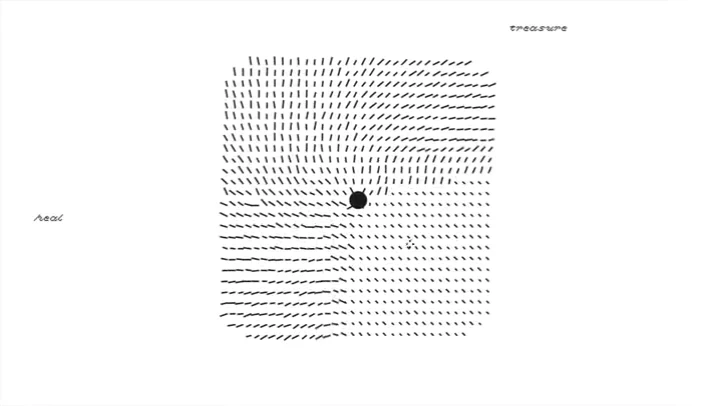
This is the demo I showed at the conference, if you want to see it again, or if you missed it. The patterns aren't being mixed together, they're being rewritten in real time.

One question, if you feel like replying:

Is there a game where the music made you do something? Not where it sounded good. Where it changed what you did.

I'm collecting your answers.

Reply

Best,
Ezéchiel Sene-Boileau

 Newsletters

More Works

Few Notes

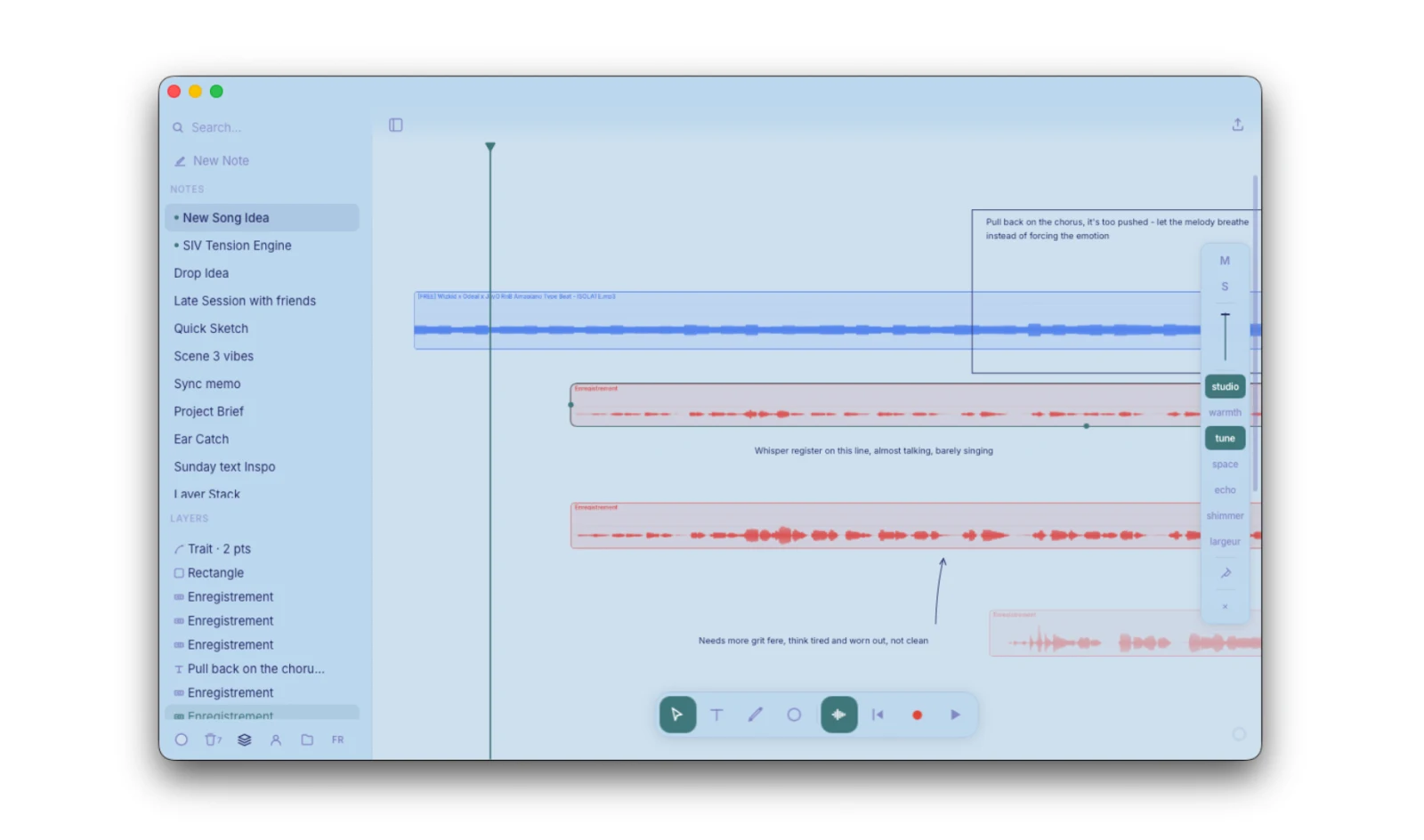
Few Notes, application de prise de notes pour auteurs-compositeurs, interface conçue par Ezéchiel Sene-Boileau

Moorish Typography Serie

Typographie mauresque, caractères extraits de motifs géométriques maures, série typographique d'Ezéchiel Sene-Boileau

BPS 2025 Branding

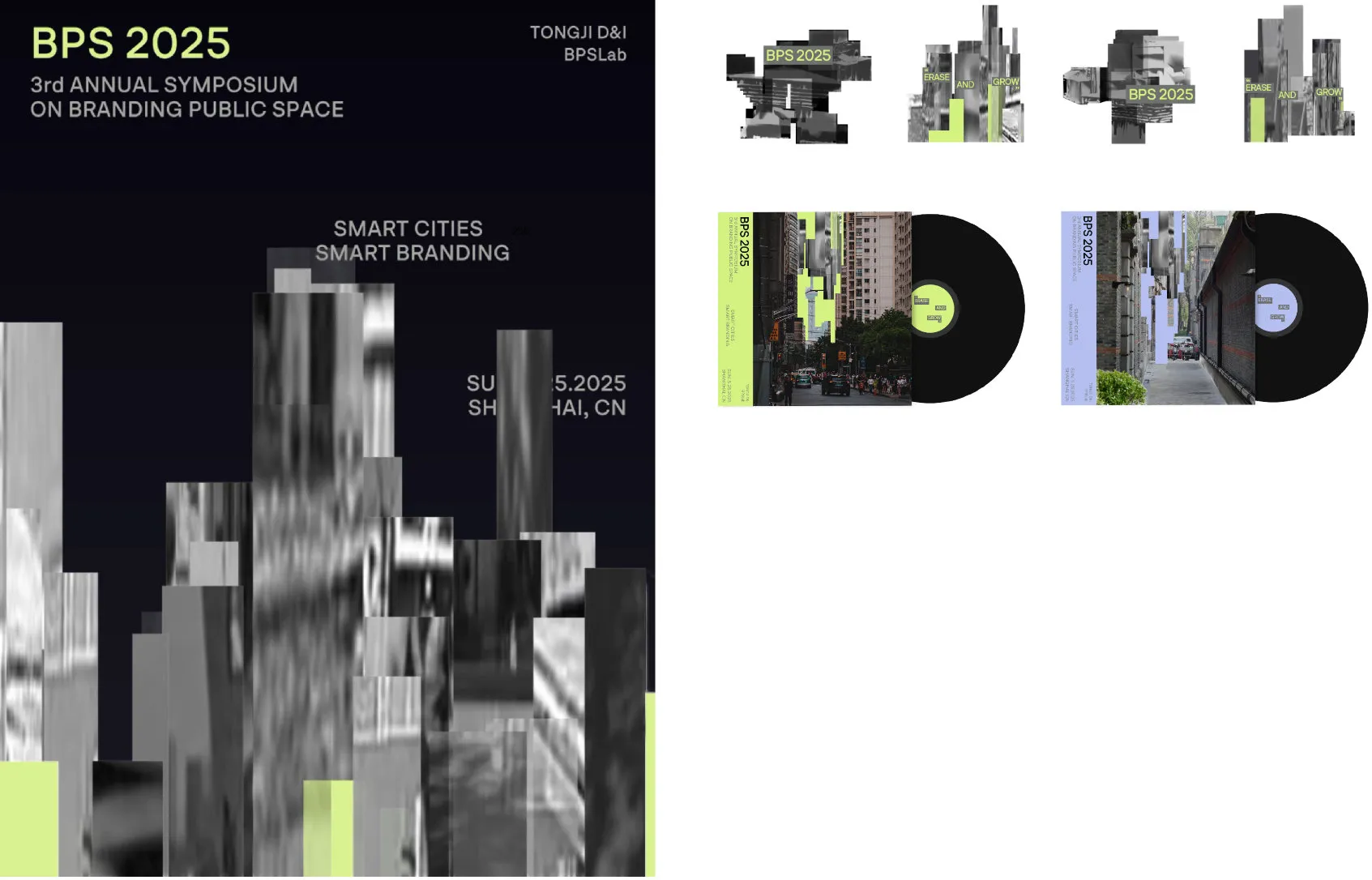
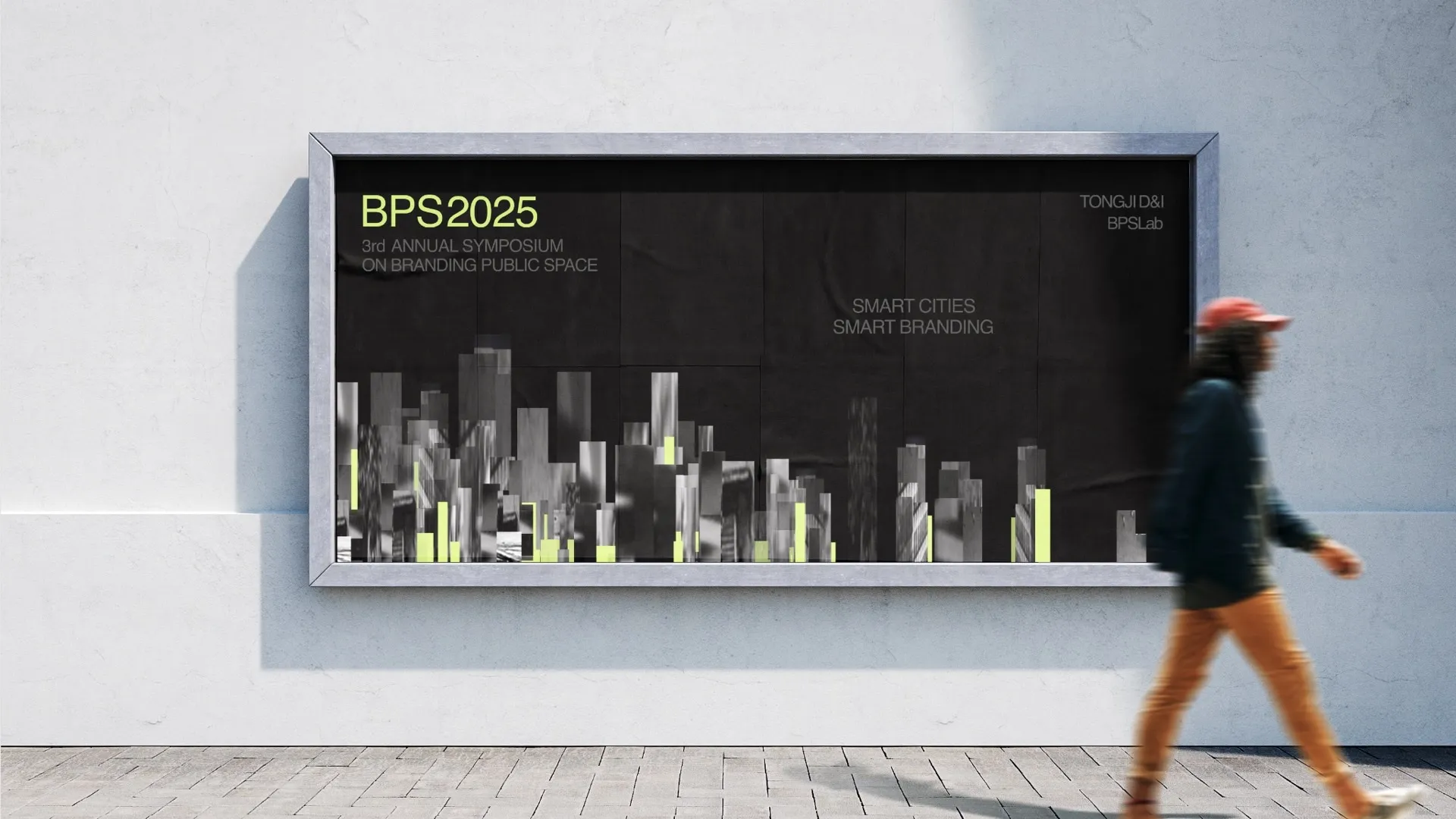
Affiche BPS 2025, exploration graphique de l'architecture de Shanghai, identité de conférence par Ezéchiel Sene-Boileau Affiche BPS 2025, identité visuelle architecturale de Shanghai, design graphique d'Ezéchiel Sene-Boileau

Non-Linear Collage

Wayana Datavisualisation

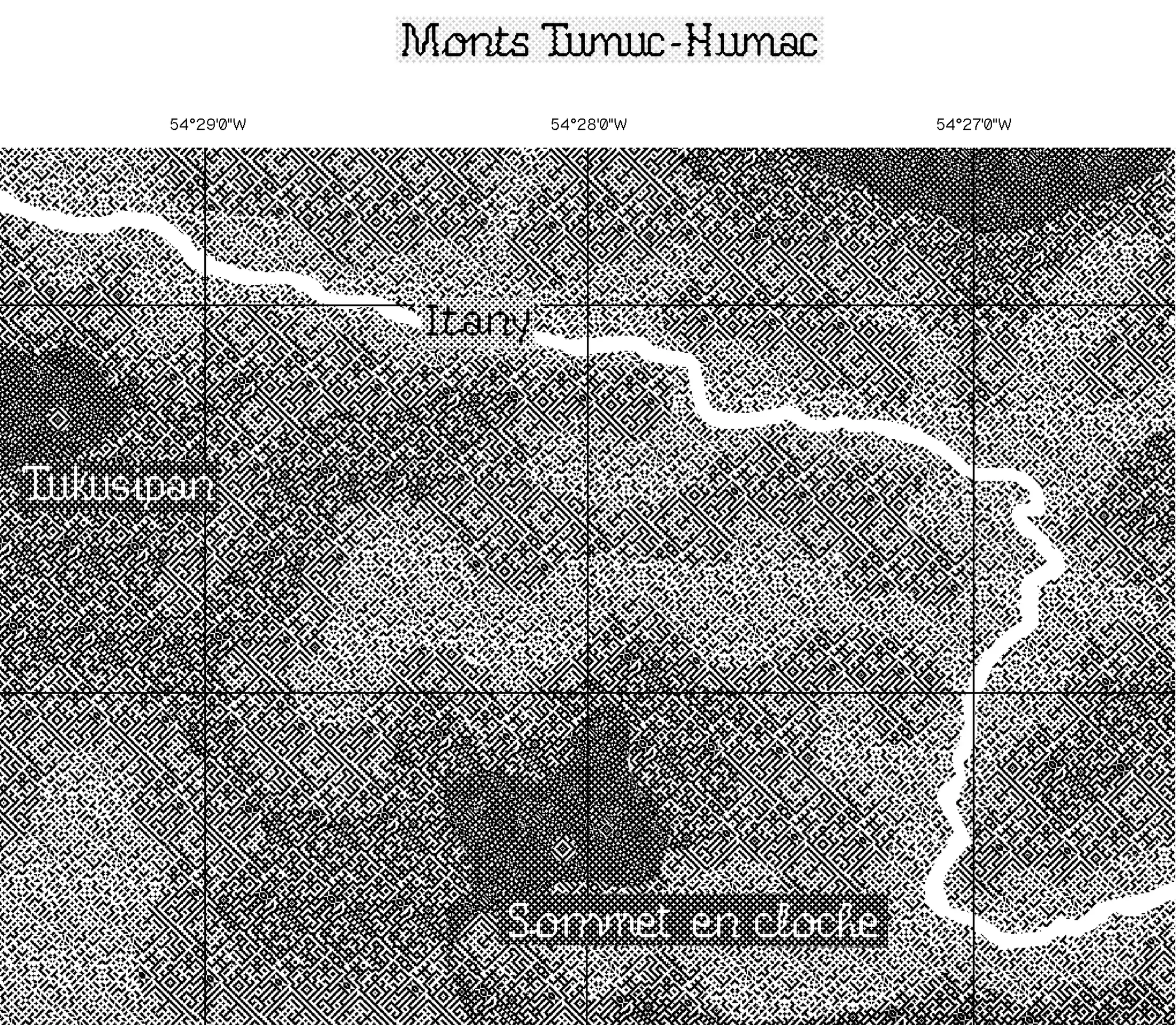
Datavisualisation Wayana, motifs de vannerie réemployés pour représenter l'évolution démographique de la communauté Wayana, Ezéchiel Sene-Boileau Carte des Monts Tumuc-Humac, symboles de vannerie et histoire de la communauté Wayana, Ezéchiel Sene-Boileau